How to Choose the Right Gearbox for Ball Valves and Butterfly Valves
Selecting the correct gearbox is a critical decision for any industrial flow-control system. Valves may appear simple from the outside, but the mechanism that drives them especially in large-diameter or high-pressure applications plays a major role in safety, efficiency, and long-term reliability. At Jayveer Enterprise, we understand that choosing the right gearbox is not just about matching sizes; it’s about understanding operating conditions, torque requirements, and application demands.
This article provides a detailed, practical guide on how to choose the right gearbox for Ball Valve Gearbox and Butterfly Valve Gearbox applications, helping engineers, procurement teams, and plant operators make informed decisions.
Understanding the Role of a Valve Gearbox
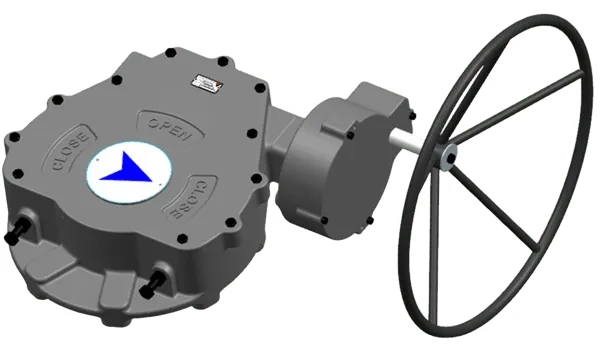
A valve gearbox is a mechanical device used to multiply torque and reduce the effort required to open or close a valve. In manual, semi-automatic, or automated systems, gearboxes ensure smooth valve operation, precise control, and protection of internal valve components.
Both ball valves and butterfly valves often require gearboxes when:
-
Valve sizes are large
-
Operating pressure is high
-
Frequent operation is required
-
Precise positioning is necessary
Although ball valves and butterfly valves serve similar flow-control purposes, their operating characteristics are different. This difference directly impacts gearbox selection.
Key Differences Between Ball Valves and Butterfly Valves
Before selecting a gearbox, it is important to understand how these valves operate:
-
Ball Valves use a spherical ball with a bore that rotates 90 degrees to allow or block flow. They typically require higher torque, especially at the start of operation (breakaway torque).
-
Butterfly Valves use a rotating disc mounted on a shaft. They usually require lower torque, but torque varies significantly depending on flow conditions and sealing type.
Because of these differences, a Ball Valve Gearbox and a Butterfly Valve Gearbox are often designed with different torque ratings, gear ratios, and structural strengths.
Step 1: Determine Torque Requirements
Torque is the most important factor when choosing a gearbox.
For a Ball Valve Gearbox, torque requirements depend on:
-
Valve size and bore
-
Line pressure
-
Seat material (soft seat or metal seat)
-
Frequency of operation
Ball valves generally require higher torque, especially during the initial opening and final closing stages.
For a Butterfly Valve Gearbox, torque depends on:
-
Valve diameter
-
Disc design
-
Seat type (rubber-lined or metal-seated)
-
Flow velocity and pressure
Always calculate maximum operating torque and include a safety margin. Selecting an undersized gearbox can result in difficult operation, premature wear, or valve failure.
Step 2: Consider Valve Size and Application
Valve size has a direct impact on gearbox selection.
-
Small valves may operate easily with a lever.
-
Medium to large valves usually require a gearbox for smooth and controlled operation.
In water treatment plants, HVAC systems, and irrigation lines, butterfly valves with gearboxes are common due to their compact design. In contrast, ball valves with gearboxes are preferred in oil & gas, chemical processing, and high-pressure pipelines where tight shut-off is critical.
Matching the gearbox to the specific application ensures operational safety and long service life.
Step 3: Choose the Right Gear Type
Different gearbox designs are available, and each has its advantages:
-
Worm Gear Gearboxes
Commonly used for both ball and butterfly valves. They provide high torque multiplication, self-locking capability, and smooth operation. -
Bevel Gear Gearboxes
Suitable for applications requiring angular power transmission or where space constraints exist.
For most industrial applications, worm gearboxes are widely preferred for both Ball Valve Gearbox and Butterfly Valve Gearbox setups due to their reliability and ease of operation.
Step 4: Evaluate Operating Environment
Environmental conditions play a major role in gearbox performance and durability.
Consider the following factors:
-
Indoor or outdoor installation
-
Exposure to dust, moisture, or chemicals
-
Temperature extremes
-
Corrosive environments
For harsh conditions, gearboxes should be manufactured from corrosion-resistant materials and fitted with proper sealing. Protective coatings and weatherproof enclosures significantly extend service life.
Jayveer Enterprise focuses on supplying gearboxes that perform reliably even in demanding industrial environments.
Step 5: Manual vs Automated Operation
Another important decision is whether the valve will be operated manually or automated.
-
Manual Gearboxes are suitable for applications where valves are operated occasionally.
-
Motorized or Actuator-Compatible Gearboxes are required for automated systems, remote operation, or frequent cycling.
If automation is planned in the future, it is wise to select a gearbox that is actuator-ready. This avoids costly replacements later and allows easy system upgrades.
Step 6: Mounting Standards and Compatibility
The gearbox must be compatible with the valve mounting interface.
Key considerations include:
-
ISO mounting standards
-
Input and output shaft dimensions
-
Orientation and space availability
A mismatch between valve and gearbox mounting can lead to installation difficulties and operational inefficiencies. Working with an experienced supplier like Jayveer Enterprise helps ensure proper compatibility and smooth integration.
Step 7: Maintenance and Service Life
Long-term reliability depends on maintenance-friendly design.
Look for gearboxes that offer:
-
Easy lubrication access
-
Durable internal gears
-
Minimal backlash
-
Robust housing construction
A well-designed Ball Valve Gearbox or Butterfly Valve Gearbox reduces downtime, lowers maintenance costs, and improves overall plant efficiency.
Common Mistakes to Avoid
When selecting a gearbox, avoid these common errors:
-
Choosing based on price alone
-
Ignoring torque calculations
-
Overlooking environmental factors
-
Not planning for future automation
-
Selecting non-standard mounting designs
Each of these mistakes can lead to operational problems and increased lifecycle costs.
Why Partner with Jayveer Enterprise?
Jayveer Enterprise is committed to delivering reliable, high-quality gearbox solutions tailored to real-world industrial needs. With a strong understanding of valve mechanics and application requirements, the company helps customers select the right Ball Valve Gearbox and Butterfly Valve Gearbox for optimal performance.
By focusing on quality, compatibility, and long-term value, Jayveer Enterprise supports industries in achieving safe, efficient, and dependable flow-control systems.
Conclusion
Choosing the right gearbox for ball valves and butterfly valves is a technical decision that directly impacts system performance, safety, and maintenance costs. By carefully evaluating torque requirements, valve size, operating environment, and future automation needs, industries can ensure smooth and reliable valve operation.
With expert guidance and dependable solutions from Jayveer Enterprise, selecting the right gearbox becomes a confident and informed process one that supports efficiency, durability, and long-term operational success.

Comments
Post a Comment